Fearful avoidant attachment: what it is and how it shows up in relationships
Quick answer: fearful avoidant attachment, also called disorganized attachment, is a pattern where you want closeness and fear it at the same time, so you reach for a partner and then pull back. It usually forms early in life, and research suggests it can change. Keep reading for how it shows up in bed and what helps.

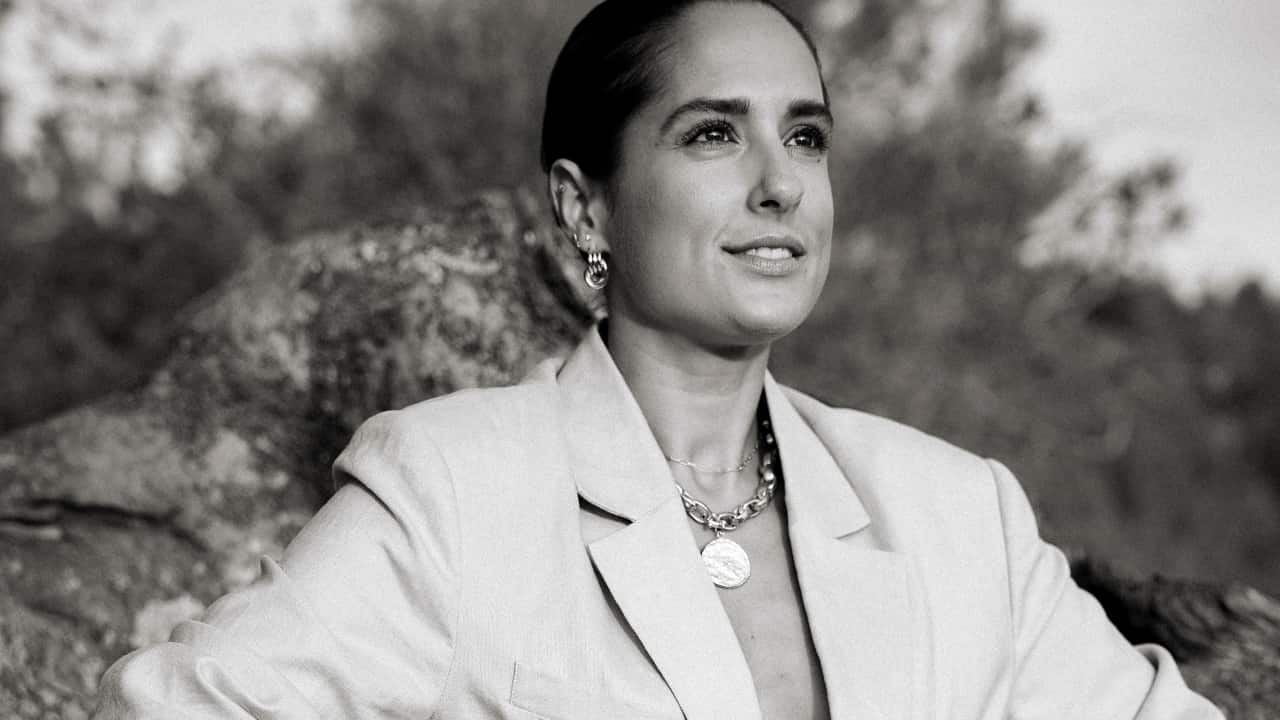
Andrea Leijon
Founder of Temple, twin-mom, wife and deeply passionate about supporting
people as they reclaim freedom in their bodies and sexuality.

Whenever my husband leaned in to kiss me, I kept it short. Never too long. I had always loved kissing him, but somewhere in me a long kiss felt like an invitation to sex, and I was not always sure I wanted that, so I kept a little distance. Slowly I was avoiding it altogether, and instead of telling him what I felt, I just pulled back. We found help, and it gave me the words for what I felt. Later, so many women told me they recognized that same push and pull, which has a name: fearful avoidant attachment.
Fearful avoidant attachment, also called disorganized attachment, is a pattern where you want closeness and fear it at the same time: you reach for a partner and then pull back right away. It usually forms early in life, and research shows it can change. Most articles hand you a label and a list of red flags. This guide goes further: where the pattern comes from, how it shows up between partners and in the bedroom, and the small practices that help it loosen.
You write the text. Something honest, like “I miss you” or “can we talk tonight,” and you read it twice before your thumb finds the delete key. You wanted to send it. Another part of you needed it gone. If that sounds familiar, there is a name for it.
What is fearful avoidant attachment and why does it form?
It forms when closeness has felt comforting and risky at the same time, most often in childhood. In the four-category model psychologists Kim Bartholomew and Leonard Horowitz tested in a 1991 study of young adults, the fearful style combines a strong wish for closeness with an expectation of being hurt by it. A secure attachment style is comfortable with closeness, an anxious preoccupied attachment style reaches for a partner when things feel uncertain, and an avoidant style keeps its distance. The fearful style does both, often within the same hour.
Researchers call the infant version of fearful avoidant attachment disorganized attachment. A review that combined the results of nearly 80 studies found that about 15 percent of infants in ordinary middle-class families showed it, and more did in families under strain and after maltreatment. It tends to develop when the person a child turns to for safety is also, at times, a source of fear or unpredictability, though frightening caregiving is one factor among several.

Early inconsistency, loss, long stretches of chronic stress and old shame about closeness all shape how safe it feels to let someone in. Several of these usually overlap, and knowing which ones apply to you shows you what will help: a pattern formed in childhood asks for a different kind of patience than one formed after a painful relationship in your twenties. Stress often makes the pattern stronger, and how stress affects desire explains what it does to your body. The signs of intimacy issues can help you spot the pull-away early, and intimacy issues in relationships shows how it plays out between partners.
It rarely helps to go looking for someone to blame. The pattern made sense when you learned it, and it can be unlearned at any age.
Why does closeness feel unsafe to your nervous system?

Closeness feels unsafe because your body learned that it can bring both comfort and hurt, so it gets ready for both at once. The part of your nervous system that works automatically, the autonomic nervous system, scans for safety and danger around you, a process Stephen Porges describes in his polyvagal theory of how the body reads safety and threat, before you have consciously thought about it. When the honest answer to whether closeness is safe has been “sometimes” for years, your body learns to move toward people and tense up at the same time.
Your body can want closeness and tense up against it in the same moment. That is why a tender evening can be followed by a sudden wave of distance the next morning: your body registers that the moment mattered and goes back to its old self-protection, which is pulling away. For many people the signals are physical: a tight chest, a restless urge to leave the room, or suddenly feeling emotionally numb. To get a read on which state your body is in most often, the Nervous System quiz takes about three minutes, and what the nervous system does to desire goes into the three states your body moves between: calm, fight-or-flight and shutdown.
Your body can want closeness and tense up against it in the same moment.
What helps your nervous system settle?
Breathing out a little longer than you breathe in, a few minutes of noticing physical sensations without trying to change them, and a quieter evening with fewer screens all tell your body that you are safe right now. A warm shower, a favorite playlist or a slow stretch on the living room floor count too. None of these needs to be done perfectly, because your body learns to feel safe through repeated calm experiences.
If you relate to this, we've gathered all you need – in one place.
Lessons and exercises from the Exploration course.













How does fearful avoidant attachment show up in relationships?
Fearful avoidant attachment in relationships shows up as wanting a partner close and then pulling away: leaving early, testing, or going quiet after good moments. It rarely announces itself with a label. It can look like leaving a promising relationship two weeks before it would have become serious, for a reason that sounds sensible in the moment and puzzling in hindsight. It can look like testing a partner without quite meaning to: picking a fight the night before a trip together, or going quiet after a genuinely good weekend. And it can look like feeling overwhelmed after real intimacy, such as a long conversation or an unusually tender night, and then wanting distance within a day. Yes, it is possible to adore someone and still look for the nearest exit.

Friends and partners often read these moments as mixed signals, or as a lack of real feeling. Many people with this pattern describe the opposite: the more a person matters, the stronger the pull to retreat can become. When did you last feel the urge to step away right after a lovely moment, and what was your body doing just before? The pattern also reaches the bedroom. In a study of 556 women aged 18 to 30, attachment anxiety and avoidance were both linked to lower sexual function and satisfaction, with lower sexual self-esteem and more sexual anxiety as part of the link. If desire and distance have gotten mixed up for you, desire discrepancy in couples and lost sex drive in a relationship cover this in more depth.
Pulling back after a lovely evening says nothing about how much you love them.
What happens when fearful avoidant meets an anxious preoccupied attachment style?
The pairing that tends to cause the most confusion is a fearful avoidant partner with an anxious preoccupied partner, because both want the same closeness and both are scared, but they react at different speeds. The anxious partner reaches out faster when things feel shaky. The fearful avoidant partner needs a short pause before reaching back, and without knowing how each pattern works, that pause feels like rejection. If you are the anxious partner, try “I can see you need a moment, and I will be here when you are ready.” If you are the one who pulls away, here is the good news. When you pull away and your partner stays calm, your body learns that closeness can be safe.
When you pull away and your partner stays calm, your body learns that closeness can be safe.
What helps couples with this pattern?
What helps is plain and specific: an honest conversation about what changed and what you each need, touch that builds closeness without pressure, and attention to the habits that create distance. Criticism, defensiveness and stonewalling (shutting down in an argument) are three of the Four Horsemen, a set of conflict habits described by couples researcher John Gottman. Exploration and Liberation, our next two courses, practice exactly these conversations and slow, safe touch. If your partner pulls away and their desire has dipped too, our guide to supporting them is a good place to start.
For me, the shift began when my husband found the courage to start a conversation, with the simple aim that we open our hearts and understand each other better. That one intention moved me from thinking about it to feeling it, from fear to love. If you recognize yourself in my kiss story, you are in good company: pulling back and not knowing why is common, and the cycle behind it is described in what intimacy issues are.
Foundation, our first course, begins with simple daily exercises that calm your nervous system, so closeness feels less risky.

How do you build earned security? Small practices that help
You build earned security by practicing safe closeness in small steps, over and over. Many adults who started with a less secure pattern go on to build a secure one through steady relationships, therapy or self-awareness, which researchers call earned security. In a review of studies that followed people over many years, Fraley and Roisman found that early experiences do not determine adult outcomes. These are the practices that tend to matter most, and each one is small enough to try this week.
Name the urge to pull away before you act on it: Say it to yourself first, and later to a partner: “I can feel the urge to leave, and I would like to stay a few more minutes.” One brain-imaging study suggests that putting a feeling into words quiets the brain’s alarm response, and naming it tells your partner what is going on instead of leaving them confused. It takes about ten seconds.
Stay a little longer: Stay physically present with someone calm while a strong feeling passes. This kind of co-regulation, calming down in the company of another person, is central to emotionally focused therapy, a couples therapy that a research review by Wiebe and Johnson describes as an evidence-based, attachment-based approach. Start with two minutes longer than usual.
Ask for one thing in one sentence: “Please hold me for a minute without talking” is easier for a partner to answer than a long explanation. Specific requests give the person who loves you something they can actually do.
You start to feel safe up close by repeating small moments of calm closeness. Which of the three would feel easiest this week? Start there, and make it even smaller if the day is heavy, because thirty seconds counts.
You start to feel safe up close by repeating small moments of calm closeness.
When should you get professional help with fearful avoidant attachment?
See a therapist when the pattern repeats in every relationship despite real effort, when closeness comes with panic, flashbacks or a sense of danger, or when it connects to experiences of abuse or neglect that deserve specialist care. Fearful avoidant attachment is a pattern, not a diagnosis, and many people work with it through reading and practice. A good therapist is a bit like a guide on a long hike: you could find the path alone, but the company makes the walk lighter. Tell a therapist what you notice, such as the urge to leave after a good evening, and ask how they work with attachment. Look for a trauma-informed therapist, meaning one trained to work gently with painful past experiences, and ask about attachment-based approaches such as emotionally focused therapy.
If anxiety, low mood or poor sleep come with the pattern, a doctor can check for physical causes. Temple offers mental and somatic support alongside medical care, and the two work well together.
What if nothing changes after you try these?
Our Exploration course helps women stay present when closeness feels risky, with 23 expert-led video lessons and 12 guided video exercises on communication and touch.
If you would rather work through this with a person, a trauma-informed therapist is a good fit, and your doctor can check sleep, mood and anxiety.
Someone may have come to mind as you read, a partner who pulls away after good evenings or a friend who goes quiet when things get serious. If it fits, share it with them. You might both spot the same moment.
Next read: why closeness and intimacy get harder, and what helps.
Love, Andrea.

Frequently asked questions.
More like this, straight to your inbox.
A letter from Andrea when there is something worth saying. No schedule, no noise. Just the honest, science-backed writing you found here.

Go deeper with Exploration
Exploration is Temple's second course – expert-led video lessons and ongoing support to turn this into lasting change.