Touch starved: why it happens and how to reconnect
Quick answer: being touch starved means your body is not getting enough safe, wanted physical contact to feel calm, and it can happen right next to someone you love. Stress, parenting, distance or a packed routine often play a part. Small, pressure-free touch can help, one day at a time.

Andrea Leijon
Founder of Temple, twin-mom, wife and deeply passionate about supporting
people as they reclaim freedom in their bodies and sexuality.

When our twins were small, my husband and I would reach the end of an evening having barely looked at each other. By the time the house went quiet, the only thing my body wanted was to not be touched by anyone for eight hours. We saw coaches, sex coaches and talk therapists, and none of them ever brought our bodies into the work. I lived in my head and treated everything like a performance.
Being touch starved means your body is not getting enough safe, wanted physical contact to feel calm, and it can happen right next to someone you love. It usually comes from stress, parenting, distance or a packed routine, and it eases when you add small, pressure-free contact back one day at a time. Here is what the research says, how touch hunger differs from missing sex, and easy ways to bring more touch into your week.
What does it mean to be touch starved, and why does it happen?
It happens when you get less physical contact than your body needs, and it is easy to miss because you can be surrounded by people. Researchers sometimes call it touch hunger, and it is widespread. In a Dutch study following more than a thousand adults, with and without a mental-health diagnosis, longing for physical contact climbed during lockdowns and eased once restrictions lifted, which shows that this need rises and falls with how much contact people get. Inside a relationship it often looks different: touch is available every day, but it shrinks to brushing hands while passing things, squeezing past each other in a hallway, or a quick goodbye kiss on the way out the door, so you get plenty of tiny touches and very little real contact.
The causes tend to overlap. Months of parenting with small bodies on you all day (low desire after a baby), chronic stress (how stress affects desire), living alone or far from the people you love, hormonal shifts around perimenopause (the years before periods stop), or a relationship where you mostly talk about schedules and chores can all reduce how much touch you get in a day. If touch has been thin for a while, the signs of intimacy issues journal lists other things worth noticing.
Which of those fits your week best? A body short on contact after a year of living alone needs something different from a parent who is touched out and still wants gentle contact in the same evening. Both can be true at once, and both deserve a plan that fits. You can be touch starved in a bed you share every night.
You can be touch starved in a bed you share every night.
What are the signs someone is touch starved?
The most common touch starvation symptoms are lingering in hugs and feeling a pang once a hug ends, and they rarely look dramatic. Does this sound familiar: staying in a friend's hug a beat past the polite point, or leaning into the hairdresser's scalp massage a little too happily? Some people crave weight and pressure, a heavy blanket or a firm hug, more than light, passing contact. Others feel lonely even when they see people regularly.

Touch starvation is also easy to mistake for a sexual issue. Wanting to be held for twenty minutes with nothing else expected is a different need from wanting sex, and calling it what it is, a need for contact, can ease some of the shame.
Why does touch calm your nervous system?
Touch calms your nervous system because it is one of the first ways a body learns that it is safe. Your skin carries a set of slow, gentle-touch receptors called C-tactile afferents. In a study in Nature Neuroscience by Löken and colleagues, these nerve fibers responded most strongly to stroking at about one to ten centimeters per second, the pace people rated as most pleasant, and the authors suggest the pathway signals friendly, caring touch. In plain terms, your skin is built to respond to being held. That response works best when you feel at ease. When you are running on stress, whether from work, parenting or a packed calendar, your body is too tense to enjoy contact. Under stress, even loving touch can feel like one more thing on your to-do list.
Under stress, even loving touch can feel like one more thing on your to-do list.
In the years after my twins were born I felt completely disconnected from my body. I wanted help that included my body as well as talking. Our first course, Foundation, starts with calming your nervous system as a daily habit, which makes touch easier to enjoy.
If you relate to this, we've gathered all you need – in one place.
Lessons and exercises from the Exploration course.











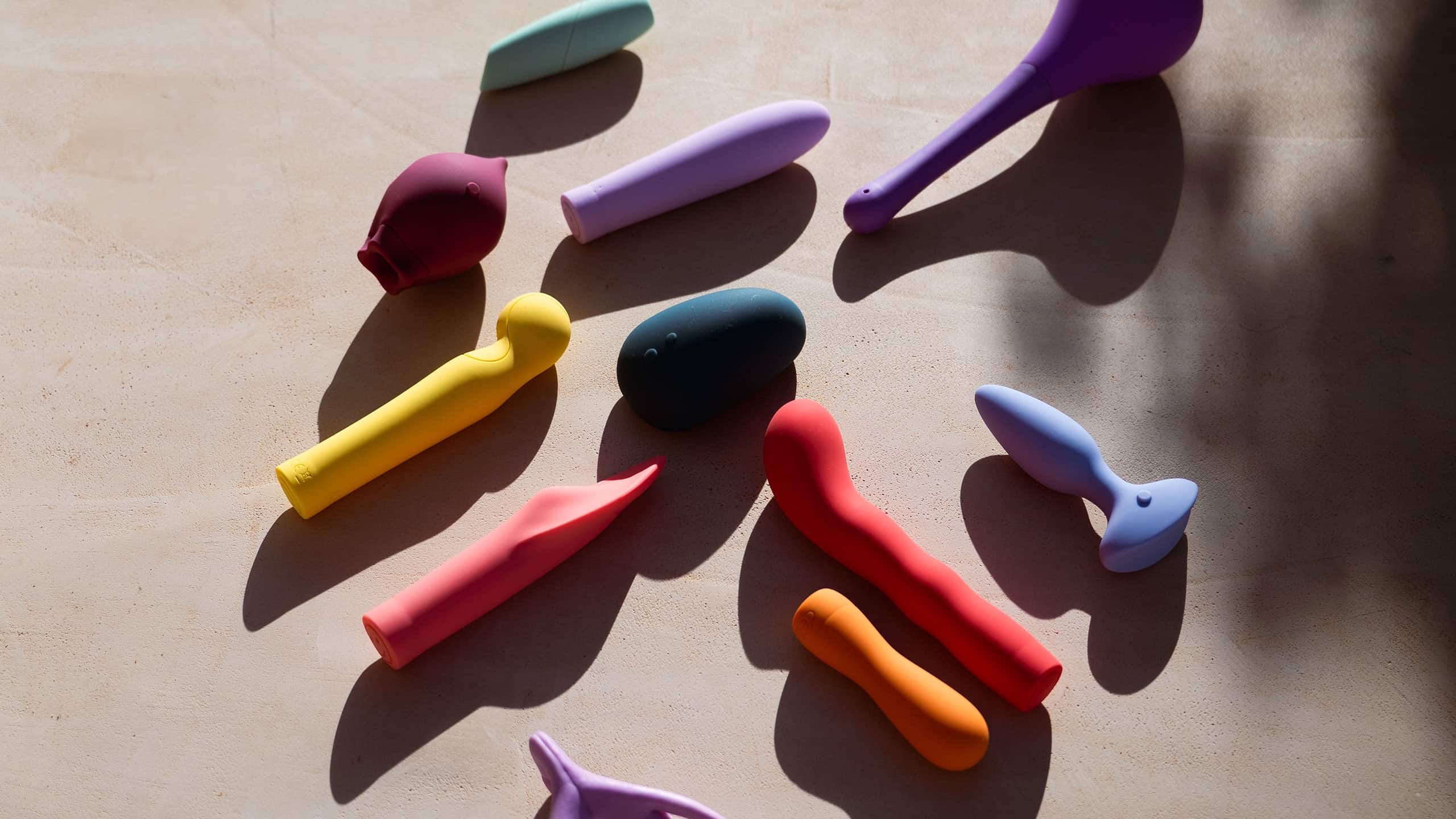


How can you help your body receive touch?
Breathing slowly with a long exhale, a few minutes of noticing how your body feels from the neck down, and one evening with fewer screens (your phone will survive) all help your body relax. A hand resting flat on your breastbone while you breathe can steady you much like a short hug. If you want to see how stress and safety shape your response to contact, how the nervous system shapes desire goes deeper into the mechanics.
Why can you be touch starved inside a relationship?
You can be touch starved inside a relationship because touch fades gradually, and many people go years with very little. Most couples never decide to stop touching. The drift often starts with a small, reasonable worry: if I put a hand on her back right now, she might think I am starting something. Once that thought sets in, every touch starts to feel like a sign you want sex, so you skip touch altogether, especially on a tired Tuesday. The cost is real, because touch matters a lot between partners. In a diary study of 102 couples by Debrot and colleagues, partners filled in a short questionnaire four times a day for a week. Moments with touch were linked to better mood in the person touched, through a stronger sense of intimacy, and people touched more often reported better wellbeing six months later.

Parenting adds a twist. A parent can spend the day with small hands and bodies on them, end up touched out, and still be hungry for contact with no demands attached. Saying "I am touched out tonight, and I still want to be close" keeps your partner from reading the pause as distance.
Esther Perel describes closeness and desire as needing different things: closeness grows from safety and familiarity, while desire often needs some space and curiosity. Touch with no agenda mostly builds closeness, while sexual touch is more about desire. If different levels of wanting have already become part of the friction, desire discrepancy in couples offers a gentle way to talk about it. Temple's Exploration and Liberation courses go further into asking for the touch you want, saying no kindly and touch without an agenda.
Asking for the touch you want, and turning one down kindly, are both skills you can practice. When every touch might lead to sex, many couples stop touching at all.
When every touch might lead to sex, many couples stop touching at all.
How do you rebuild touch without pressure?
You rebuild touch with small, repeated, low-pressure contact, because your body gets used to what happens often. Three habits do most of the work: unhurried touch, naming the kind of touch on offer, and getting touch from others too.

Touch with no goal: A hug held ten seconds longer than a goodbye hug, a hand resting on a back while someone reads, a foot tucked against theirs on the sofa. In a four-week study of 34 married couples, those who added warm touch to their routine had more oxytocin, the bonding hormone, and less of a stress marker in their saliva than couples who did not. Nothing has to follow the touch for it to count.
Name the kind of touch: One short sentence before you reach, such as "I would love to put my arm around you, nothing else," tells your partner exactly what you are asking for.
Get touch from others too: If you live alone, or your partner is away, contact from others still helps. A large review of 137 studies by Packheiser and colleagues found that touch-based approaches such as massage or hugging reduced feelings of depression and anxiety in adults, with similar benefits whether the touch came from a familiar person or a health professional. A long hug with a friend, a massage, a firm self-hug with both arms crossed over your chest, or a weighted blanket (it finally gets its moment) can all help you feel calmer in the meantime.

Small, regular touch is likely to build more comfort with touch than one elaborate candlelit evening. Hold one hug until your shoulders relax, ask your partner something that is not about logistics, or rest your hand on theirs for a few minutes while a film plays. If you live alone, book the massage and call the friend who hugs properly; a cat against your leg or a friend's hand on your arm counts too, because your skin registers all of it. Check in now and then about what still feels good and what has been missing. If it helps to see what closeness without a goal can look like, how to overcome intimacy issues in your relationship adds more ideas.
Wanting more touch is a normal body need, like wanting sleep or water.
When should you see a doctor or therapist about touch?
See a trauma-informed therapist (a therapist trained to handle past hard experiences with care) if touch feels frightening, if old experiences come up when you are held, or if you flinch from contact you want. Speak with your doctor if a longing for contact arrives with low mood, lost interest in things you used to enjoy, or anxiety that will not settle. The NHS lists the symptoms of depression in plain language, so you can check whether any fit. Telling these situations apart from ordinary touch starvation matters. Starvation is a strong wish for contact you are not getting, or that does not yet feel safe to ask for. Aversion is a flinch away from contact that is actually on offer, sometimes for reasons the person cannot yet name, and the practices in this article can feel like too much for someone who flinches. In that case, go slower and bring in a professional rather than pushing through.

Pace is part of safety. Start with the lightest, shortest contact that feels good, agree in advance how it will end, and stop the moment either of you asks. When you can say stop and be heard, touch feels safer, and that trust makes longer contact comfortable later.
If you flinch from touch, that is useful information, and it deserves patience. Somatic support, meaning support that works through the body, can help. Temple offers mental and somatic support alongside medical care, and the two work well together.
What can you do when nothing seems to help?
Temple's Exploration course helps women ask for the touch they want and say no kindly to the touch they don't, with 23 expert-led video lessons and 12 guided video exercises.
A trauma-informed therapist or your doctor can also guide you, at a pace you feel safe with.
If a friend, a sister or your partner has gone far too long without a proper hug, send them this article and say you are thinking of them.
The power of reconnection is the natural next read once touch feels easier.
Love, Andrea.

Frequently asked questions.
More like this, straight to your inbox.
A letter from Andrea when there is something worth saying. No schedule, no noise. Just the honest, science-backed writing you found here.

Go deeper with Exploration
Exploration is Temple's second course – expert-led video lessons and ongoing support to turn this into lasting change.