Exercise and Sex Drive: How Movement Affects Desire
You know the feeling. After a long run, a swim, or even just a walk through the park, something in you softens. Your shoulders drop. Your breath slows. And sometimes, quietly, desire shows up, not because you summoned it, but because your body finally had room for it. For many women, the link between movement and desire is real, and it runs far deeper than any headline about hormones.

Andrea Leijon
Founder of Temple, twin-mom, wife and deeply passionate about supporting
people as they reclaim freedom in their bodies and sexuality.
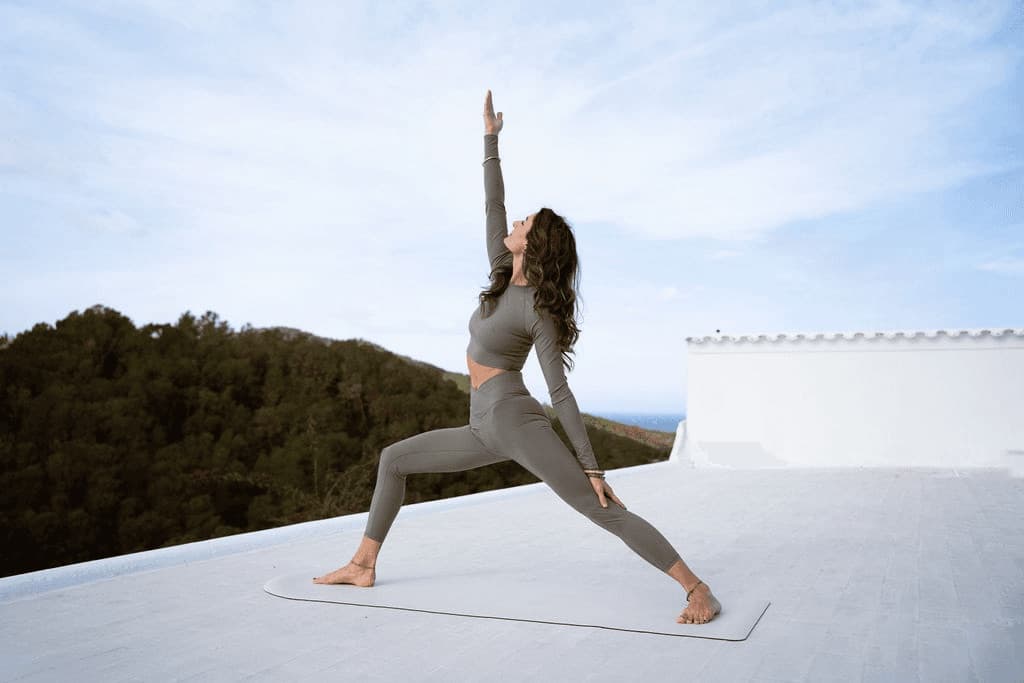
The connection between movement and desire
You start moving your body regularly and something shifts. Not just your energy or your mood, but the way you feel in your own skin. For many women, fitness and sex drive are linked, though not in the simple, mechanical way most articles describe. Or maybe the opposite happens: you go through a stretch of not moving, and desire fades alongside everything else. This is rarely a coincidence. Often, this is your body communicating.
Exercise does not “fix” low desire the way a switch flips a light on. It works more like tending soil. It creates the conditions where desire can show up on its own. The pathways are hormonal, neurological, and deeply physical, and they work together in ways that are genuinely worth understanding, especially if you have been wondering why desire sometimes feels so far away.
How exercise changes your body’s desire system
Most conversations about how to boost sex drive stop at “exercise raises testosterone.” That is one small piece of the story. Desire is a whole-body experience, and exercise touches the system at several different levels. Let us look at what tends to happen.
Stress and cortisol
Chronic stress keeps your nervous system locked in survival mode. When your body is focused on getting through the day, on deadlines and school pickups and the weight of everything that needs doing, desire is often one of the first things it sets aside. The body finds it hard to prioritize pleasure when it believes there is a threat to manage.
Exercise is one of the most effective ways to complete the stress cycle, to physically tell your body that the danger has passed and it can return to rest. A run, a swim, a brisk walk: these are not just “good for you” in a general sense. They are signals to your nervous system that it is safe to soften, to feel, to want.
When cortisol drops after movement, the body has more room for desire again. Many women notice that consistent exercise brings desire back not through willpower but through a kind of quiet readiness. If this resonates, our piece on how stress disconnects you from desire is the natural companion read, and our guide to awaken your desire covers reawakening wanting from the body up.
Blood flow and sensation
Exercise increases blood flow throughout the body, including to the pelvic region. For many women this has a direct, physical effect on arousal and sensitivity. Cardiovascular movement supports healthy circulation, and over time this often translates to a body that responds more easily to touch.
This is not about performance or optimization. It is simply about your body being physiologically ready for pleasure, because the blood is flowing, the tissues are nourished, and the nervous system is not braced against the world.
Body awareness and presence
This is where the conversation gets interesting. Exercise that involves body awareness, yoga, dance, swimming, even a long walk where you notice your breath and the ground beneath your feet, often builds the somatic connection that desire tends to ask for.
Desire is not only a hormonal event. For many women it asks for being present in your body, noticing sensation without judging it, and feeling safe enough to stay there. If you have struggled with low desire, hormones or attraction may not actually be the missing piece. The missing piece is often connection to the physical self, sometimes lost for very understandable reasons: stress, exhaustion, the habit of living from the neck up.
In Temple, we explore how reconnecting with your body can be a first step toward reconnecting with desire. The Foundation course includes specific somatic practices for this, because movement is not just exercise. It can be a way back to yourself. To see which state your nervous system tends to live in right now, the nervous system quiz gives you a quick read.
Desire is not only a hormonal event. It often asks for being present in your body, noticing sensation, and feeling safe enough to stay there.
Hormonal effects
Regular moderate exercise supports healthy testosterone and estrogen levels, both relevant for desire. This is the mechanism most people have heard about, and it is real. Movement signals the endocrine system that the body is active, alive, and functioning well. Research published in the Journal of Sexual Medicine and other peer-reviewed venues has documented links between regular moderate exercise and improvements in sexual function and arousal across many populations of women, particularly when paired with body-awareness practice. Studies on yoga and women’s sexual function suggest particularly strong effects when movement combines breath, presence, and embodiment, which aligns with Lori Brotto’s broader research on mindfulness-based approaches to women’s sexual health.
But this comes with an important note. Over-exercising can sometimes have the opposite effect. Intense training without adequate recovery can disrupt hormonal balance and quiet desire rather than support it. If you are training hard and noticing that desire has faded, your body may be asking for less intensity, not more. For many women the sweet spot is consistency and moderation: movement that feels sustainable, not punishing.

What kind of exercise helps most?
There is no single best workout for how to boost your sex drive. What the evidence suggests is that moderate, consistent movement tends to have a stronger connection to desire than intense, sporadic sessions. Activities that combine cardiovascular benefit with body awareness, such as swimming, yoga, dance, strength training, and walking in nature, show up often when researchers study the link between exercise and sexual well-being.
But here is what tends to matter more than any specific exercise type: the relationship you have with movement. Exercise that you enjoy, that makes you feel at home in your body, that you return to because it feels good rather than because you are disciplining yourself, that is often the kind of movement that improves sex drive over time.
Walking counts. Dancing in your kitchen counts. A twenty-minute stretch in the morning counts. The key is regularity and pleasure, not intensity and endurance. To see which of your sexual accelerators and brakes movement tends to touch, the accelerators and brakes quiz walks you through it.
Movement that you enjoy, that makes you feel at home in your body, that you return to because it feels good: that is often the kind of movement that supports desire.
When exercise alone is not enough
Exercise is one piece. A meaningful piece, but not the whole picture. If desire has been quiet for a long time, or if it never quite felt like yours to begin with, movement alone may not bring it back, and that is completely understandable. Other factors, such as relationship dynamics, your stress load, hormonal health, and patterns in your nervous system, often need attention too.
This is where looking at the full system becomes helpful. Temple’s Foundation course covers the nervous system, body awareness, and the wider desire system, because desire does not live in a single muscle or a single hormone. It lives in the relationship between your body, your mind, and the life you are navigating.
If you are experiencing significant hormonal changes, a conversation with your doctor can be worthwhile. And if the issue feels deeper than physical fitness, you are not alone in that. There are other causes of low desire in women that deserve honest exploration.
A gentler way forward
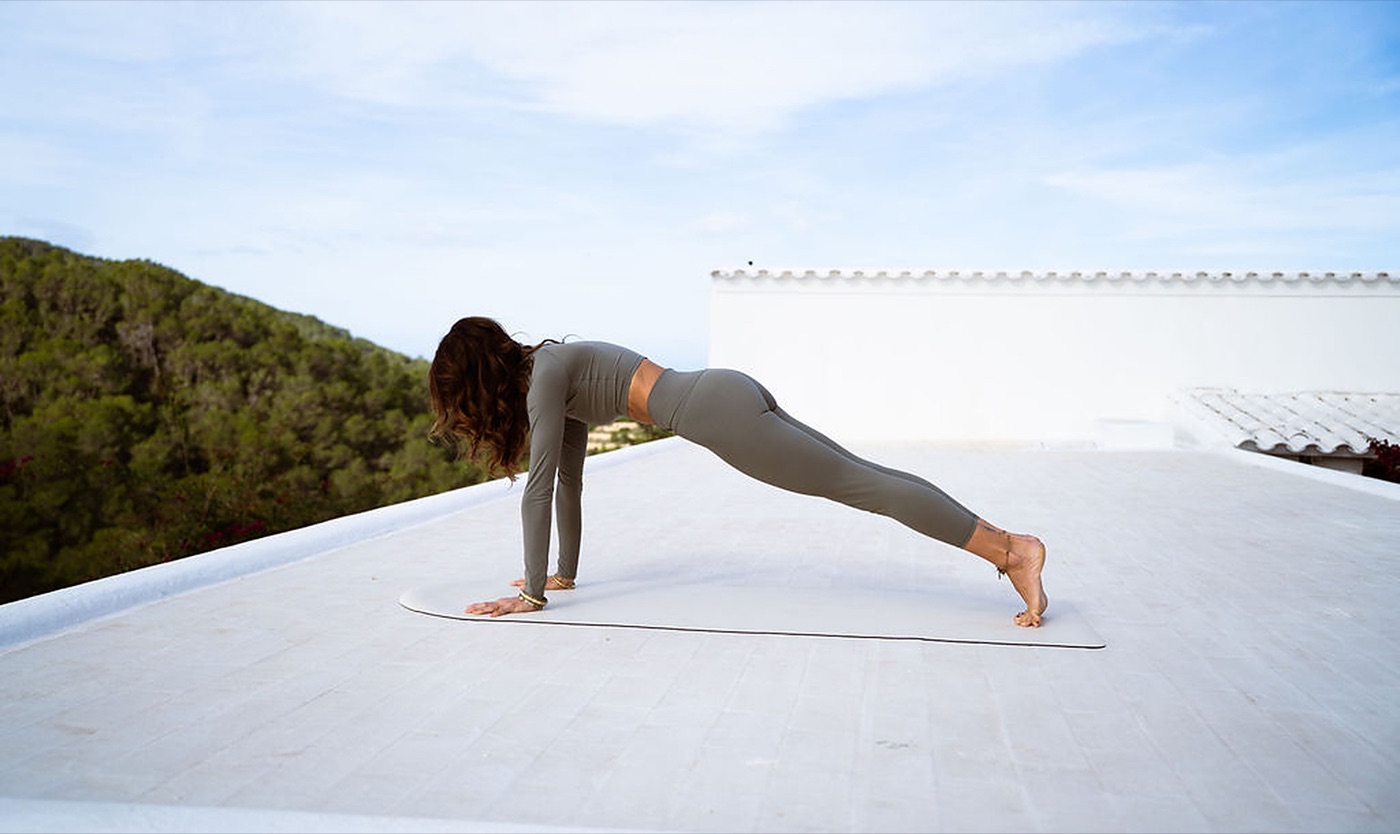
Your body knows how to want. Sometimes it simply needs you to move first, not as a prescription or a mandate, but as a gentle invitation to come back to yourself. Movement does not have to be hard, or impressive, or anything other than yours. A slow walk, a few minutes of stretching, a dance in the kitchen with no one watching, all of it counts.
If you take one thing from this article, let it be this: you are not behind, and there is nothing to fix. There is only a body that has been carrying a lot, and a kinder way to ask it to come back into the room. When you do, you might find that desire was never really gone. It was waiting for you to arrive.
When you are ready for a clearer read on how your particular desire is wired and what would actually move you, take the Desire Style quiz. It takes about three minutes, no email needed.
Thank you for reading, and be gentle with yourself as you find your way back to movement that feels good. Your body has been on your side the whole time.
//Andrea
Frequently asked questions.
More like this, straight to your inbox.
A letter from Andrea when there is something worth saying. No schedule, no noise. Just the honest, science-backed writing you found here.
Go deeper with Foundation
Foundation is Temple's first course – expert-led video lessons and ongoing support to turn this into lasting change.