Exercise and Sex Drive: How Movement Affects Desire
Quick answer: exercise and sex drive seem linked. Regular movement lifts energy and mood and helps you feel good in your own skin, which may give desire more room. Next, how a good workout might make room for desire.

Andrea Leijon
Founder of Temple, twin-mom, wife and deeply passionate about supporting
people as they reclaim freedom in their bodies and sexuality.
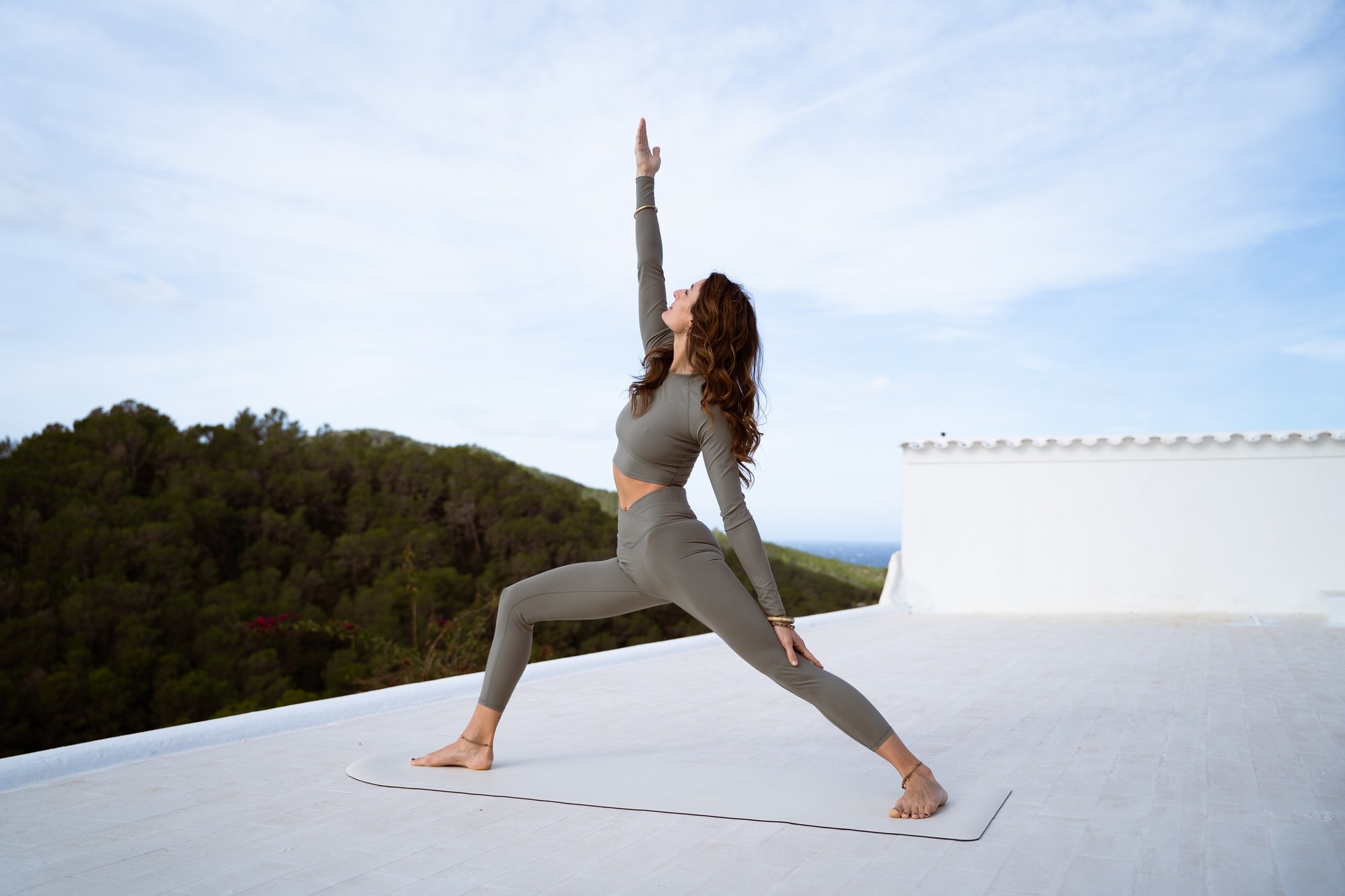
You know the feeling. After a long run, a swim, or even just a walk through the park, something in you softens. Your shoulders drop. Your breath slows. Sometimes desire shows up, not because you summoned it, but because your body finally had room for it. For many women, the link between exercise and sex drive is real, and it runs far deeper than any headline about hormones.
The connection between exercise and sex drive
Exercise and sex drive are linked because regular movement lifts your energy, your mood and the way you feel in your own skin, which gives desire more room to show up. You start moving your body regularly and something shifts, and when you stop, desire often dims with it. For many women, fitness and sex drive are linked, and the link runs deeper than the simple, mechanical one most articles describe. Or maybe the opposite happens: you go through a stretch of not moving, and desire fades alongside everything else. This is rarely a coincidence. Often, this is your body telling you what it needs.
Exercise works on low desire slowly, like tending soil: it creates the conditions where desire can show up on its own. The pathways are hormonal, neurological and physical, and they work together. Understanding them helps if desire sometimes feels far away.
How does exercise change your body’s desire system?
Most conversations about how to boost sex drive stop at “exercise raises testosterone.” That is one small piece of the story. Desire is a whole-body experience, and exercise touches the system at several different levels. Let us look at what tends to happen.
Stress and cortisol
Chronic stress keeps your nervous system locked in survival mode. When your body is focused on getting through the day, on deadlines and school pickups and the weight of everything that needs doing, desire is often one of the first things it sets aside. The body finds it hard to prioritize pleasure when it believes there is a threat to manage.

Exercise is one of the most effective ways to complete the stress cycle, to physically tell your body that the danger has passed and it can return to rest. A run, a swim, a brisk walk: each one is a signal to your nervous system that it is safe to soften, to feel, to want.
When cortisol drops after movement, the body has more room for desire again. Many women notice that desire comes back gradually with consistent exercise, because the body is no longer on guard. In one study of women with antidepressant-related sexual side effects, exercise shortly before sexual activity improved desire. If this resonates, our piece on how stress disconnects you from desire is the natural companion read, and our piece on how to awaken your desire starts with the body.
When cortisol drops after movement, the body has more room for desire again.
Blood flow and sensation
Exercise increases blood flow throughout the body, including to the pelvic region. For many women this has a direct, physical effect on arousal and sensitivity. Cardiovascular movement supports healthy circulation, and over time this often translates to a body that responds more easily to touch.
If you relate to this, we've gathered all you need – in one place.
Lessons and exercises from the Foundation course.











This is about your body being physically ready for pleasure: the blood is flowing, the tissues are nourished, and the nervous system is no longer braced against the world.

Body awareness and presence
This is where the conversation gets interesting. When did you last move your body because it felt good, and for no other reason? Exercise that involves body awareness, yoga, dance, swimming, even a long walk where you notice your breath and the ground beneath your feet, often builds the somatic connection that desire tends to ask for.
Desire is more than a hormonal event. For many women it needs you to be present in your own body. That means noticing sensation without judging it, and feeling safe enough to stay there. If you have struggled with low desire, the missing piece is often connection to your own body, sometimes lost for very understandable reasons: stress, exhaustion, the habit of spending the whole day in your head.
Desire is more than a hormonal event. For many women it needs you to be present in your own body.
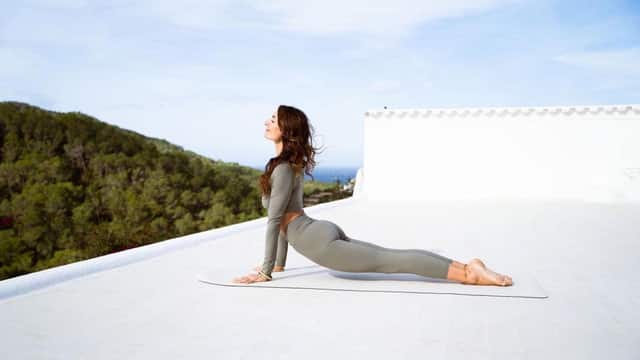
In Temple, we explore how reconnecting with your body can be a first step toward reconnecting with desire. The Foundation course includes specific somatic practices for this, because movement can be a way back into your own body. Each of Temple’s expert-led video lessons and guided video exercises takes 10 to 15 minutes, about as long as the stretch you might do after a walk. To see which state your nervous system tends to live in right now, the nervous system quiz gives you a quick read.
Hormonal effects
Regular moderate exercise is often said to support healthy testosterone and estrogen levels, both relevant for desire. This is the mechanism most people have heard about, but the evidence for this in women is mixed. Movement signals the endocrine system that the body is active, alive, and functioning well. Research published in the Journal of Sexual Medicine and other peer-reviewed venues has documented links between regular moderate exercise and improvements in sexual function and arousal across many populations of women. A meta-analysis of yoga trials found a small improvement in sexual function, which fits with Lori Brotto’s broader research on mindfulness-based approaches to women’s sexual health.

But this comes with an important note. Over-exercising can sometimes have the opposite effect. Intense training without adequate recovery can disrupt hormonal balance and quiet desire. If you are training hard and noticing that desire has faded, your body may be asking for less intensity. For many women the sweet spot is consistency and moderation: movement that feels sustainable week after week.

What kind of exercise helps most?
There is no single best workout for how to boost your sex drive. What the evidence suggests is that moderate, consistent movement tends to have a stronger connection to desire than intense, sporadic sessions. Activities that combine cardiovascular benefit with body awareness, such as swimming, yoga, dance, strength training, and walking in nature, show up often when researchers study the link between exercise and sexual well-being.
But here is what tends to matter more than any specific exercise type: the relationship you have with movement. Exercise that you enjoy, that makes you feel at home in your body, and that you return to because it feels good is often the kind of movement that improves sex drive over time.
Walking counts. Dancing in your kitchen counts. A twenty-minute stretch in the morning counts. For desire, regularity and pleasure matter more than intensity and endurance. To see which of your sexual accelerators and brakes movement tends to touch, the accelerators and brakes quiz walks you through it.
What if exercise alone is not enough?
Exercise is one meaningful piece of a larger picture. If desire has been quiet for a long time, or if it never quite felt like yours to begin with, movement alone may not bring it back, and that is completely understandable. Other factors, such as relationship dynamics, your stress load, hormonal health, and patterns in your nervous system, often need attention too.
This is where it helps to look at the full system: your nervous system, your body awareness, and the life your desire sits inside. Desire lives in the relationship between your body, your mind, and the life you are navigating.
Desire lives in the relationship between your body, your mind, and the life you are navigating.
If you are experiencing significant hormonal changes, a conversation with your doctor can be worthwhile. And if the issue feels deeper than physical fitness, you are not alone in that. There are other causes of low desire in women that deserve honest exploration. Temple offers educational mental and somatic support, not medical care. The two can work well together.

A gentler way forward
Temple’s Foundation course teaches the body awareness work this article keeps returning to. It has 23 expert-led video lessons and 15 guided video exercises. A doctor can check the hormonal side; a therapist or sexologist can help with the rest.
Your body knows how to want. Sometimes it simply needs you to move first, as a gentle invitation to come back to yourself. Movement does not have to be hard, or impressive, or anything other than yours. A slow walk, a few minutes of stretching, a dance in the kitchen with no one watching, all of it counts.
You are not behind, and for most of us there is less to fix than we fear. There is only a body that has been carrying a lot, and a kinder way to invite it back toward pleasure. When you do, you might find that desire was never really gone.
If a friend runs or swims with you, or keeps meaning to start, send her this and talk about it on the next walk.
To get a clearer read on how your desire is wired and what would move you, take the Desire Style quiz. It takes about three minutes, no email needed.
Thank you for reading, and be gentle with yourself as you find your way back to movement that feels good. Your body has been on your side the whole time.
Love, Andrea.

Frequently asked questions.
More like this, straight to your inbox.
A letter from Andrea when there is something worth saying. No schedule, no noise. Just the honest, science-backed writing you found here.

Go deeper with Foundation
Foundation is Temple's first course – expert-led video lessons and ongoing support to turn this into lasting change.