Hur du ökar din sexlust: vad som faktiskt fungerar, enligt vetenskapen
Jag minns när jag först började googla "vad man ska göra när lusten är låg." Internet hade svar – alla möjliga kreativa sådana. Allt från "ha en naken picknick med sex i vardagsrummet" till "äta mer grapefrukter" till "prova BDSM." Allt detta är förmodligen jättebra – om man är där. Men jag var inte där. Inte än. Jag ville helt enkelt förstå vad som pågick i min kropp. Så den här artikeln är mitt försök att skapa det jag letade efter då: en rak guide till vad som händer, vad man kan göra och vad som faktiskt fungerar – enligt vetenskapen, inte trender.

Andrea Leijon
Grundare av Temple, tvillingmamma, fru och djupt passionerad om att stödja
människor som återtar friheten i sina kroppar och sin sexualitet.

Om du har letat efter sätt att öka din sexlust har du förmodligen redan stött på listor med kosttillskott, superlivsmedel och idéer för dejtkvällar. Det mesta av de råden skrapar bara på ytan. Det vi ofta kallar "sex drive" handlar egentligen om lust, och lust är ett system som reagerar på hela ditt liv, inte bara på en enda lösning. I den här artikeln får du veta vad forskningen faktiskt visar: vilka tillvägagångssätt som tar itu med grundorsakerna snarare än symtomen, och varför förståelsen av ditt nervsystem kan vara det viktigaste du inte har provat än.
Varför din sexlust förändrades från början
Innan du hoppar rakt till lösningar hjälper det att förstå varför lusten skiftar. Och det viktigaste att veta är att den faktiskt gör det, för nästan alla. Lust är inte en fast egenskap. Den varierar mellan olika livsfaser, relationer och omständigheter.
Vanliga bidragande faktorer är kronisk stress, hormonella förändringar (perimenopaus, tiden efter förlossning, sköldkörtelbesvär, preventivmedel), relationsmönster som har fallit in i rutin, sömnbrist, läkemedel och stora livsförändringar som att bli förälder eller hantera karriärpress. I många fall överlappar flera av dessa.
Skälet till att detta spelar roll är att rätt tillvägagångssätt beror på rätt diagnos. En kvinna vars lust har dämpats av kronisk stress behöver en annan väg än någon som navigerar hormonella förändringar efter att ha fått barn. Att förstå "varför" hjälper dig att välja rätt "hur". För en djupare titt på de orsaker som särskilt påverkar kvinnor, går vår artikel om låg sexlust hos kvinnor igenom detta mer ingående.
Börja med ditt nervsystem
Det är här de flesta rådartiklar gör fel. De hoppar direkt till livsstilstips utan att ta itu med grunden: ditt nervsystem. När kroppen fastnar i en stressreaktion, vare sig det handlar om arbetsstress, utmattning av föräldraskap, spänningar i relationen eller helt enkelt den samlade tyngden av vardagen, är lust inte någon prioritet. Din kropp är i överlevnadsläge, och överlevnadsläget innehåller inte att vilja vara intim.
Det här är ingen metafor. Det är biologi. Ditt autonoma nervsystem har ett toleransfönster: en zon där du känner dig tillräckligt trygg för att vara närvarande, lekfull och öppen för kontakt. När du är utanför det fönstret, pressad in i kamp-eller-flykt av stress eller nedstängd av överväldigande belastning, omdirigerar kroppen energi bort från lust.
Det är inte så att något är fel med dig. Det är att ditt system gör exakt det som det är designat att göra.
Det här är en av de främsta anledningarna till att jag ville starta Temple – för att erbjuda en plats att utforska och förstå lust, där du faktiskt börjar med grunden först, innan du hoppar in i utforskandet. I introduktionskursen, Foundation, utforskar vi hur reglering av nervsystemet är utgångspunkten för att återknyta till lust. Inte som en teori, utan som en praktisk vardagsfärdighet.
För om detta inte är på plats – kommer resten av det du gör helt enkelt inte att ge samma resultat. Oavsett hur mycket underkläder vi köper eller sexiga picknickar vi försöker oss på.
Sambandet mellan stress och lust
Kronisk stress dämpar lust genom flera vägar. Förhöjt kortisol påverkar direkt könshormonerna. Mental belastning, den osynliga listan över allt du hanterar, håller hjärnan i planeringsläge snarare än närvaroläge. Och den rena utmattningen av ihållande stress lämnar lite energi för något utöver det nödvändigaste. Om detta låter bekant, utforskar hur stress påverkar lusten sambandet på djupet.
Exemplen är specifika och vanliga: att ligga i sängen och mentalt gå igenom morgondagens schema, känna sig "övertouchad" efter att ha varit förälder hela dagen, eller bära på agg över ojämnt hushållsarbete. Inget av detta är karaktärsbrister. De är signaler från ett nervsystem under press.
Övningar som hjälper ditt nervsystem att varva ner
Det här är inte generella välmåendetips. Det är specifika sätt att signalera trygghet till ditt nervsystem så att lusten får utrymme att återvända.
Andningsövningar: Långsam, medveten andning där utandningen är längre än inandningen aktiverar ditt parasympatiska nervsystem. Även fem minuter före läggdags kan skifta kroppen ur stressläge.
Kroppsmedvetenhet: Enkla kroppsscanningar där du lägger märke till fysiska sensationer utan att försöka förändra dem. Det bygger upp kontakten mellan ditt sinne och din kropp som stress tenderar att bryta.
Sensorisk återställning: Minska skärmtiden på kvällen, sänk stimulansen, skapa stunder av stillhet. Ditt nervsystem behöver återhämtningstid för att kalibrera om.
Dessa övningar handlar inte om att "slappna av mer". De handlar om att ge kroppen konsekventa signaler om att den är trygg, så att de system som stöder lust kan komma online igen.
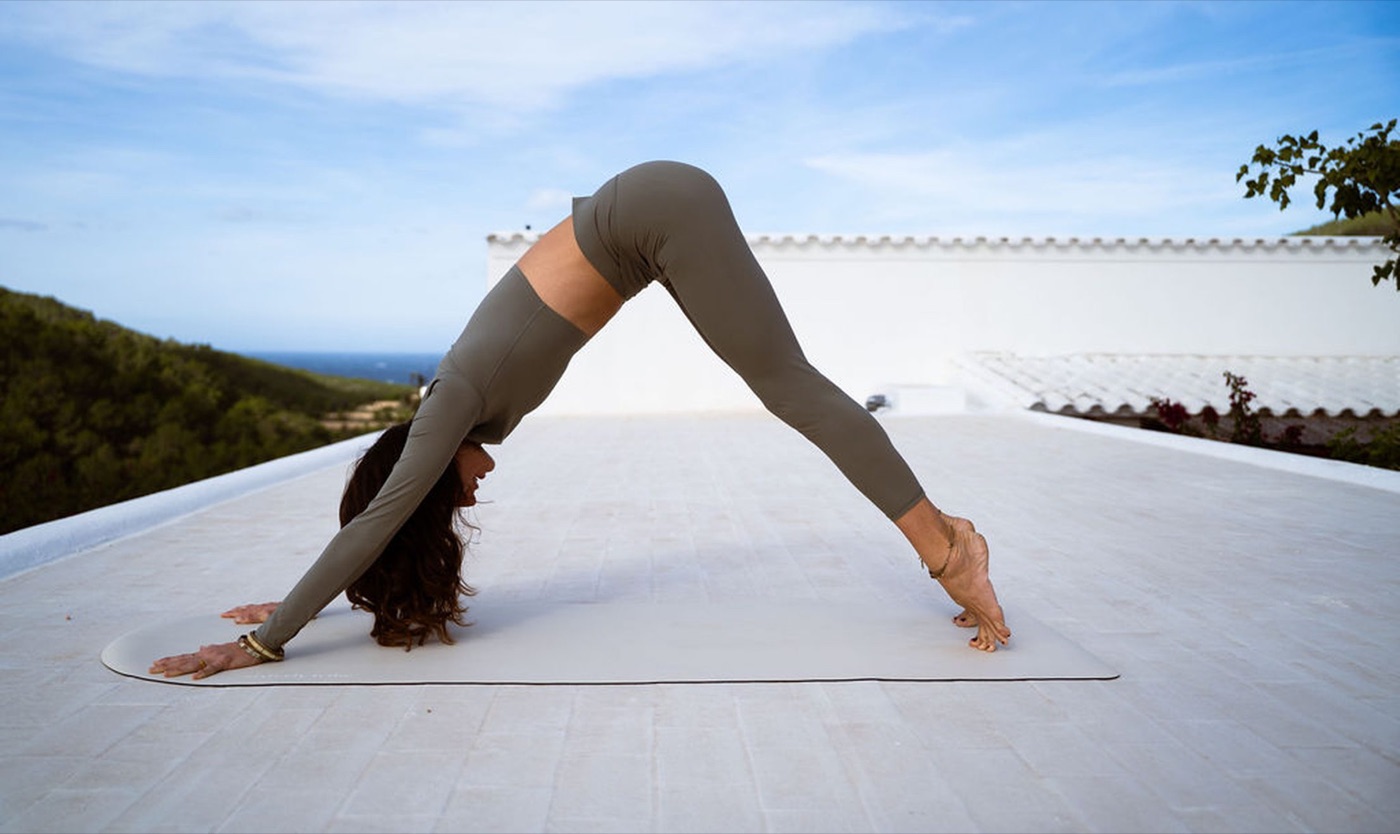
Lust är inte en fast egenskap. Den varierar mellan olika livsfaser, relationer och omständigheter.
Ta itu med relationsdimensionen
Lust existerar inte i isolering. Den lever i utrymmet mellan dig och din partner, formad av hur ni kommunicerar, hur ni hanterar konflikter och hur trygg du känner dig känslomässigt. Om det utrymmet har krympt med tiden genom rutin, olöst spänning eller den tysta drift som långvariga relationer ofta upplever, kommer ljus eller planerade dejtkvällar inte att nå kärnan.
Vad som hjälper: ärlig konversation om vad som har förändrats och vad ni båda behöver. Icke-sexuell beröring som bygger upp fysisk närhet utan press. Att ta itu med mönstren som skapar känslomässigt avstånd, som kritik, försvar eller att dra sig undan.
I Temple's Kurser 2 och 3 utforskar vi kommunikationsmönster och beröring på djupet, inklusive Gottmans modell med de fyra ryttarna för att känna igen de dynamiker som i tysthet eroderar kontakten. Om din relation står inför utmaningar som behöver uppmärksamhet), är förståelsen av dessa mönster ofta genombrottet.
Livsstilsfaktorer som verkligen spelar roll
Du har säkert sett de vanliga råden: motionera mer, sov bättre, ät bra. Det frustrerande är att det inte är fel, det är bara ofullständigt utan sammanhang.
Motion: Forskning visar konsekvent att regelbunden måttlig motion stödjer lust, sannolikt genom förbättrat blodflöde, bättre humörreglering och minskade stresshormoner. Nyckelordet är måttlig. Överträning kan få motsatt effekt genom att öka kortisol. Sikta på rörelse som ger dig energi, inte tömmer dig.
Sömn: Sömnbrist stör nästan varje system som stöder lust: hormoner, humör, energi och reglering av nervsystemet. Att prioritera sömn är inte lyxigt. För många kvinnor är det den enskilda förändringen som gör störst skillnad.
Alkohol: Ett glas vin kan minska hämningarna på kort sikt, men regelbunden alkoholkonsumtion stör sömnkvalitet, hormonbalans och känsloreglering. Att minska intaget ger ofta en tydlig positiv effekt på lust över tid.
Det finns inga mirakelmatvaror eller kosttillskott med stark evidens för att direkt öka lust. Allmän hälsa stödjer lust, och livsstilsfaktorerna ovan är de som har mest forskning bakom sig.
När hormoner är en del av bilden
Hormonella förändringar förtjänar uppmärksamhet, inte som den enda förklaringen, men som en verklig och behandlingsbar bidragande faktor. Perimenopaus kan börja flera år före menopaus och påverkar ofta lust genom sjunkande östrogen och testosteron. Hormonella förändringar efter förlossning, sköldkörtelbesvär och preventivmedel och sexlust har alla dokumenterade effekter på den hormonella miljö som stöder lust.
Om du misstänker att hormoner spelar en roll är ett samtal med din läkare ett värdefullt steg. Hormontester (inklusive fritt testosteron, inte bara totalt testosteron) kan ge klarhet. Det finns receptbelagda alternativ, och de är värda att diskutera.
Temple erbjuder mentalt och somatiskt stöd vid sidan av medicinsk vård, inte som en ersättning. Att förstå din hormonbild och samtidigt stödja ditt nervsystem är mer effektivt än att ta itu med endera var för sig.
Vad du ska göra när ingenting verkar fungera
Om du är något som jag var för några år sedan – googlande vid midnatt, testande av slumpmässiga tips, undrande över varför ingenting verkade fastna – kom ihåg att du inte misslyckas. Det kan helt enkelt betyda att de tillvägagångssätt du har provat har behandlat symtom snarare än det underliggande systemet.
Lust är inte en enda sak. Det är skärningspunkten mellan din kropp, ditt sinne, din relation och ditt nervsystem. När en av dessa dimensioner är ur balans märker de andra det. Att ta itu med alla fyra – snarare än att välja en i taget – är ofta det som gör den verkliga skillnaden. I sällsynta fall, omkring 10–15 % av kvinnor, har låg lust en klinisk orsak som är värd att utreda med en specialist, kallad Hypoactive Sexual Desire Disorder, eller HSDD. Men för de flesta människor är det vardagsfaktorerna som tas upp i den här artikeln som spelar störst roll.
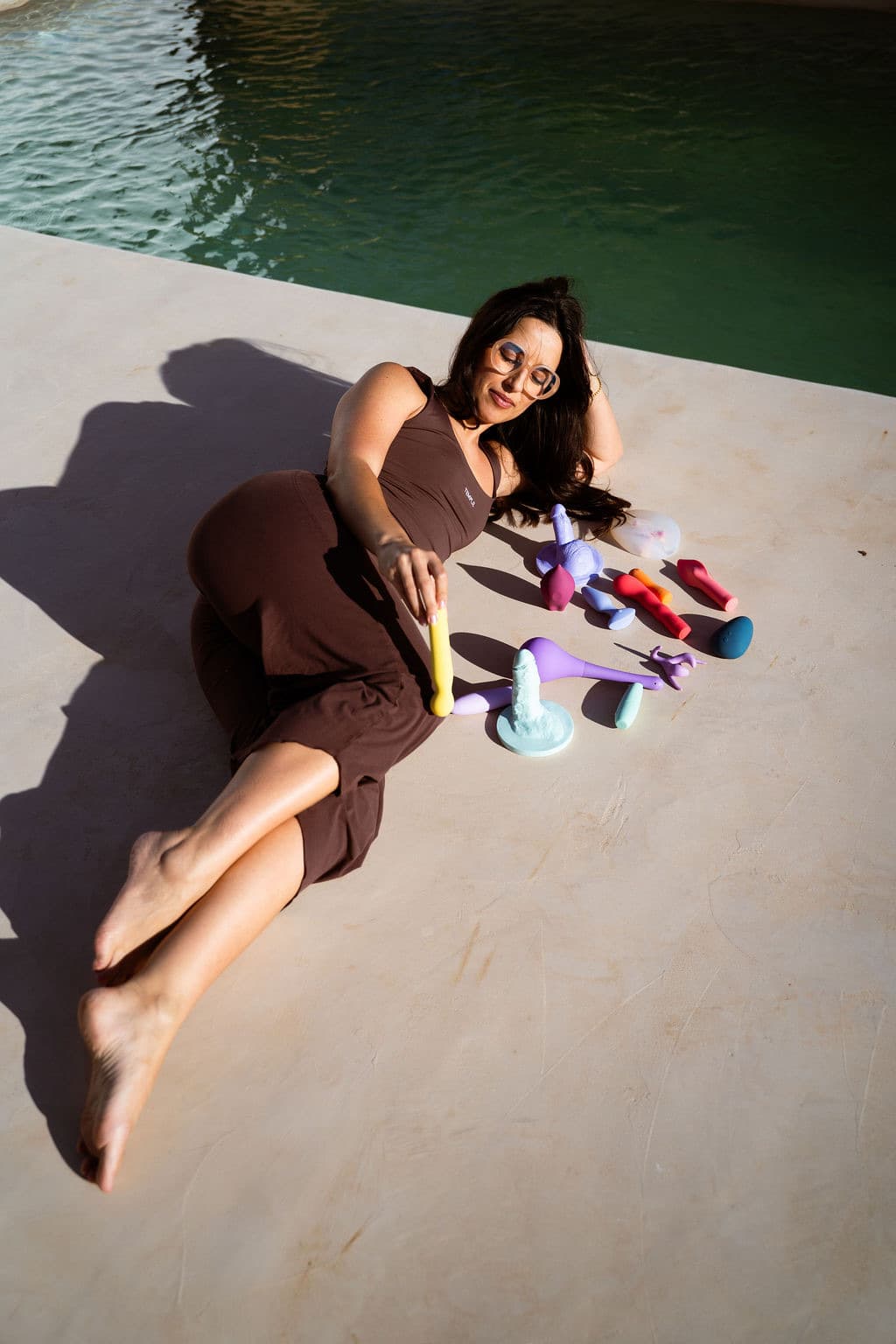
Lust lever i utrymmet mellan dig och din partner, formad av hur ni kommunicerar, hur ni hanterar konflikter och hur trygg du känner dig känslomässigt.
Lust är inte en enda sak. Det är skärningspunkten mellan din kropp, ditt sinne, din relation och ditt nervsystem.
Om du läser detta har du redan gjort något som många människor inte gör: du har bestämt att din lust är viktig nog att förstå. Det är inte en liten sak. Vad som än förde dig hit – frustration, nyfikenhet eller stilla hopp – du börjar inte från noll. Du börjar med medvetenhet. Och medvetenhet, i kombination med rätt stöd, är där verklig förändring börjar.
Temple samlar sexologi, neurovetenskap och somatisk terapi i en strukturerad väg som är utformad exakt för detta: att återknyta till lust genom att ta itu med helheten, inte bara en del av den. Att börja med Foundation ger dig vetenskapen om lust och praktiska verktyg för nervsystemet så att du kan börja förändra hur kroppen reagerar. Utforska The Temple Method eller ta vårt treminuters lust-quiz för att förstå ditt unika lustmönster. När allt känns fastlåst visar kartläggningen av din största lustblockerare ofta det du inte såg.

Vanliga frågor.
Mer som det här, direkt till din inkorg.
Ett brev från Andrea när det finns något värt att säga. Inget schema, inget brus. Bara de ärliga, vetenskapsgrundade texterna du hittade här.
Gå djupare med Foundation
Foundation är Temples första kurs – expertledda videolektioner och löpande stöd för att omvandla detta till varaktig förändring.